

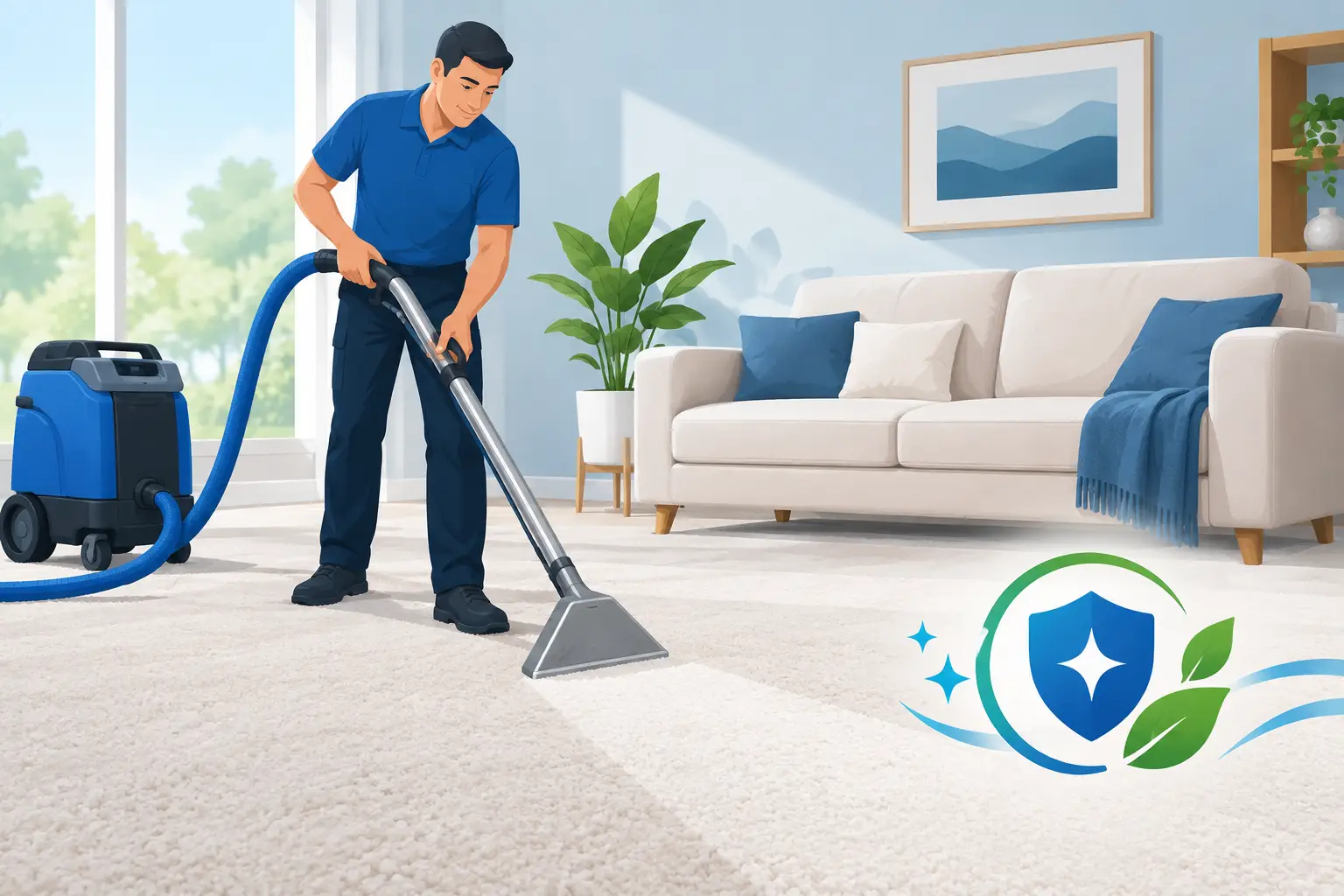
A carpet can look reasonably clean from the doorway while holding weeks of tracked-in grit, pet hair, food crumbs, pollen, and spills below the surface. Regular vacuuming helps, but professional carpet cleaning reaches the soil that settles deep in the pile, where it can affect appearance, odor, and the feel of a room underfoot.
For a busy household, rental property, or high-traffic workplace, clean carpet is not only about presentation. It supports a fresher indoor environment, protects a significant flooring investment, and gives residents, visitors, staff, or customers a more comfortable space.
Why Carpet Cleaning Is More Than Spot Removal
Carpet fibers act like a filter. They catch fine dust, outdoor soil, and everyday debris before it spreads across the room. That can be useful, but it also means the carpet gradually holds more than a vacuum can remove. Sand and grit are especially hard on carpet because they work their way into the fibers and create friction as people walk over them.
Over time, this abrasion can make carpet look flat, dull, or worn before its time. Professional cleaning removes embedded soil and lifts the pile, helping the carpet look more even and feel softer. The result is often most noticeable in hallways, entry areas, living rooms, office walkways, and around desks or dining tables.
Stains are another reason to act early. Coffee, red wine, pet accidents, makeup, cooking oil, and muddy shoes all behave differently. Some discolor the fiber, while others leave a sticky residue that attracts more dirt. A quick response matters, but the right cleaning method matters just as much. Scrubbing aggressively or using an unsuitable product can spread the stain, damage the pile, or leave a visible patch.
What a Professional Clean Can Address
A thorough service begins with the condition of the carpet, not a one-size-fits-all process. Fiber type, pile height, age, stain history, and how the area is used all affect the appropriate treatment. A family room with pets has different needs from a vacant rental, a restaurant floor, or a quiet executive office.
Professional-grade equipment is designed to loosen and extract deep soil more effectively than most household machines. When paired with suitable cleaning products and careful technique, it can refresh broad areas while giving extra attention to marks, traffic lanes, and odor-prone spots.
Good carpet care can help with several common problems:
- Darkened walkways and flattened traffic areas
- Food, drink, mud, and general household stains
- Pet-related odors and surface accidents
- Dust, hair, and debris trapped in the carpet pile
- A stale appearance in rental homes, offices, and shared facilities
There are limits, and a dependable cleaner should be clear about them. Permanent dye loss, bleach spots, old stains that have set into fibers, and wear from years of foot traffic may not disappear completely. Even when full removal is not realistic, professional treatment can often improve the appearance and help the room feel cleaner and more presentable.
Choosing the Right Carpet Cleaning Method
The best method depends on the carpet and the problem being treated. Hot water extraction is commonly used for deep cleaning because it flushes loosened soil from the carpet and removes much of the moisture afterward. It is a strong option for heavily used homes, end-of-tenancy work, and commercial spaces where deep soil has built up.
Low-moisture methods can be a practical choice where faster drying is a priority. This may suit offices, retail areas, or rooms that need to return to use quickly. However, for significant staining or deep buildup, a low-moisture approach may not deliver the same level of extraction as a deeper process.
The key is not selecting a method because it sounds impressive. It is matching the process to the fiber, the level of soil, the drying conditions, and how soon the area needs to be used again. Wool carpets, delicate rugs, and specialty fibers deserve particular care. The wrong solution, excessive moisture, or poor extraction can create avoidable problems, including browning, shrinkage, or slow drying.
How Often Should Carpets Be Professionally Cleaned?
There is no single schedule that suits every property. A lightly used bedroom may need less frequent attention than the main hallway of a family home. In a workplace, the entry carpet can collect more soil in one month than a low-traffic meeting room collects in several months.
For many homes, professional cleaning every 12 to 18 months is a sensible starting point. Homes with young children, pets, allergies, frequent visitors, or muddy outdoor access may benefit from more regular care. Tenants preparing for a move-out clean and landlords readying a property for new occupants often need a more focused service, especially where stains, odors, or visible traffic marks are present.
Commercial schedules should reflect actual foot traffic and hygiene needs. A small office may only require periodic deep cleaning alongside routine vacuuming. Schools, healthcare settings, gyms, restaurants, retirement-care facilities, and busy retail spaces often need a planned program to keep floor coverings clean, safe, and professional-looking. Regular maintenance is usually more cost-effective than waiting until carpets are visibly soiled or heavily worn.
What to Do Before and After the Appointment
A little preparation helps a professional clean deliver better results. Clear small items from the floor, such as toys, cables, baskets, and lightweight furniture, and point out any stains or areas of concern. If there are pets, arrange for them to stay comfortably away from the work area until the carpet is dry.
After cleaning, allow time for drying before returning furniture and normal foot traffic to the room. Drying time varies with carpet thickness, weather, airflow, humidity, and the cleaning method used. Open windows when conditions allow, use ventilation, and avoid walking on the carpet with outdoor shoes while it is still damp. This prevents fresh soil from being transferred straight back onto clean fibers.
If furniture must be placed back promptly, protective tabs or blocks can help prevent marks or color transfer from legs and bases. A professional cleaner can advise on the safest approach for your furnishings and carpet type.
Everyday Habits That Help Carpets Stay Cleaner
Professional cleaning works best when it is supported by simple routine care. Vacuum high-traffic areas at least once or twice a week, and slower-use rooms regularly enough to prevent dust from settling. Take extra passes across entrances, halls, stairs, and areas where pets sleep or children play.
Treat spills promptly by blotting with a clean white cloth rather than rubbing. Start from the outside of the spill and work inward so it does not spread. Use small amounts of water or an appropriate carpet-safe product, and avoid soaking the backing. If a stain is large, oily, strongly colored, or has an odor, it is usually wiser to seek professional advice than to keep applying products.
Entry mats also make a real difference. They capture grit before it reaches the carpet, especially during wet weather and in homes or facilities with active outdoor access. In commercial settings, clean mats and regular vacuuming form the first line of defense for protecting carpeted floors.
A Cleaner Carpet Supports a Better Space
Whether you are preparing a home for inspection, refreshing a rental between tenants, or maintaining a workplace that welcomes customers every day, carpet condition is noticed. Fresh, well-maintained flooring helps a room feel cared for without calling attention to itself.
Eco Smart Cleaning approaches carpet care with suitable equipment, detail-focused treatment, and cleaning options matched to the space. The goal is straightforward: remove what routine vacuuming leaves behind, help protect the carpet, and leave the area fresh and spotless. A timely professional clean can turn a tired-looking floor into a space people feel comfortable walking into again.


 +64 021 480 489