
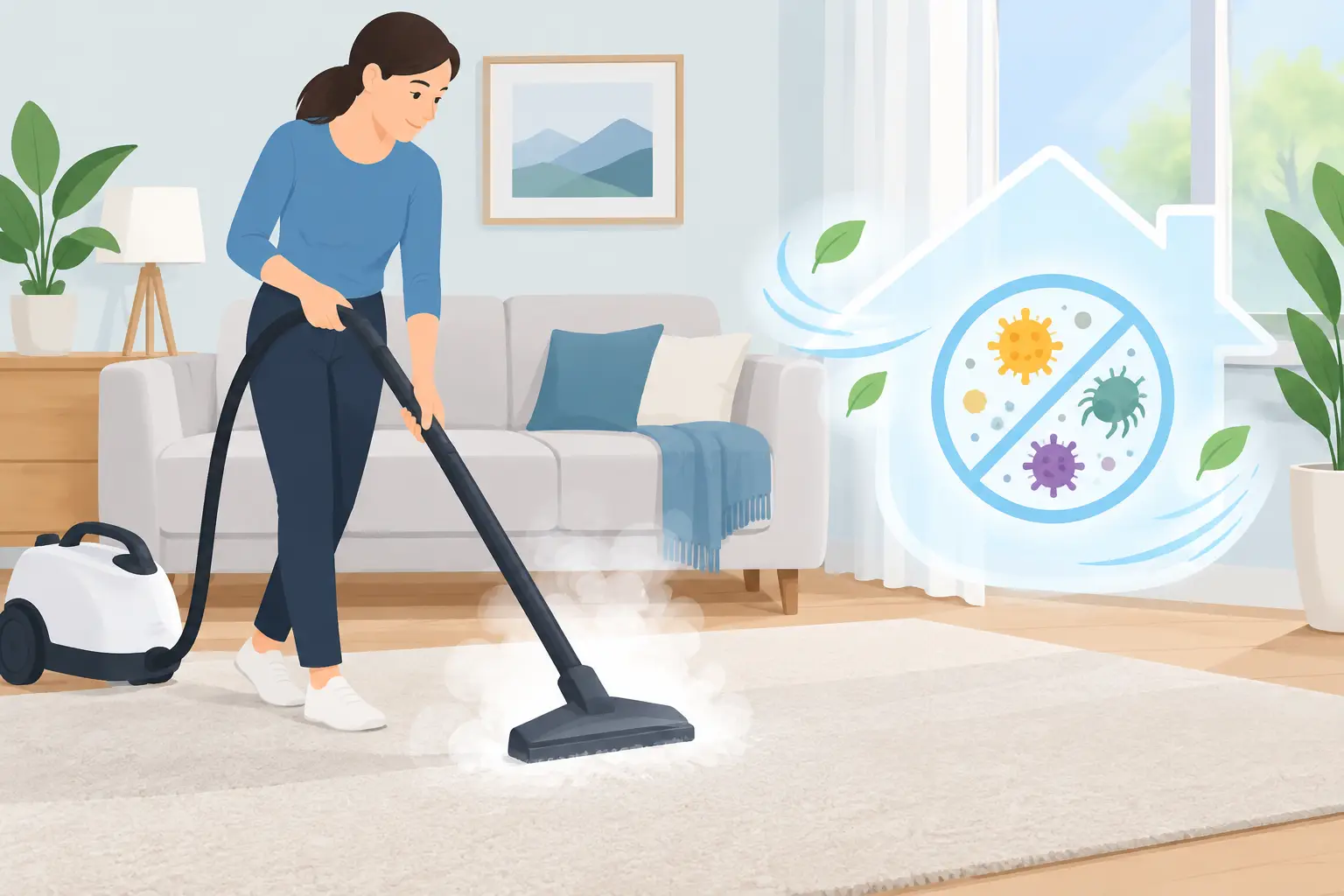
A carpet can look clean and still hold the particles that make a sensitive nose, itchy eyes, or morning congestion worse. Dust mites, pet dander, pollen, and fine dust settle deep into carpet fibers, fabric furniture, mattresses, and the edges of rooms where everyday vacuuming may not reach. So, does steam cleaning help allergies? It can help as part of a consistent cleaning plan, especially when allergens are removed from soft surfaces rather than simply moved around.
The key is understanding what steam can do, what it cannot do on its own, and which cleaning method is suitable for the surface in your home or facility.
Does Steam Cleaning Help Allergies?
Steam cleaning can reduce allergy triggers by using high heat to treat certain surfaces and loosen built-up soil, oils, and debris. Heat may help reduce dust mites and other microscopic pests in fabrics when it reaches the right temperature and has enough contact time. It can also clean without leaving behind heavily scented residues that may bother some people with sensitivities.
However, allergens are not all living organisms. Pet dander, pollen, dust mite waste, and mold spores can remain after heat treatment unless they are physically removed. That is why professional allergy-conscious cleaning usually combines the right heat or extraction method with thorough vacuuming, soil removal, and proper drying.
For many homes, the best result comes from treating the places where allergens collect most: carpets, rugs, upholstered furniture, curtains, mattresses, and hard-to-reach floor edges.
Steam Cleaning and Carpet Cleaning Are Not Always the Same
The term “steam cleaning” is often used to describe several different services. A handheld steam cleaner creates dry or low-moisture vapor for hard surfaces and some sealed materials. Professional carpet cleaning commonly uses hot water extraction, where heated water and a cleaning solution are applied to carpet fibers and then extracted along with loosened dirt.
Both methods use heat, but they serve different purposes.
True steam is useful for sealed tile, grout, bathroom fixtures, and other durable hard surfaces where residue and buildup need attention. It should be used carefully around wood, laminate, unsealed stone, painted finishes, and delicate fabrics because excessive heat or moisture can cause damage.
Hot water extraction is generally more appropriate for carpets and many upholstery fabrics. It reaches into fibers, lifts embedded soil, and removes the dirty moisture with professional equipment. For allergy concerns, that removal step matters. Heating allergens without extracting them is not the same as taking them out of the home.
A professional cleaner should assess the carpet type, backing, pile, stain history, and drying conditions before selecting a method. Wool, natural fibers, antique rugs, and delicate upholstery may require lower-moisture or specialized care.
What Allergens Can Build Up in Soft Surfaces?
Allergy triggers are often invisible, which makes routine surface cleaning easy to underestimate. Carpets and upholstery act like filters over time. They catch particles brought in on shoes, clothing, open windows, pets, and air movement through the house.
Common indoor triggers include dust mite particles, pet dander, pollen, fine outdoor dust, mold spores, and insect debris. In commercial settings, they can also include soil tracked in by visitors, food particles, and dust from busy entryways or shared work areas.
These particles do not automatically cause an allergic reaction in every person. But for someone with allergies, asthma, or respiratory sensitivities, a buildup can add to the overall exposure inside a room. A clean-looking living room, bedroom, classroom, or office may still benefit from deeper cleaning if soft surfaces have not been professionally cleaned for a long time.
Where Steam Cleaning Helps Most
Steam cleaning is most useful when the surface can safely handle heat and moisture and when the cleaner can remove or wipe away loosened debris. In kitchens and bathrooms, it can help address grime around tile, sealed grout, shower areas, and hard fixtures. These are areas where moisture-related buildup can develop if cleaning is delayed.
For homes with pets, steam may be a helpful addition to a broader cleaning routine for washable pet areas, hard flooring, and selected fabric surfaces. But pet dander is lightweight and can spread through the air, so regular HEPA-filter vacuuming and laundering pet bedding remain just as important.
In high-traffic commercial spaces, targeted steam treatment can support detailed hygiene cleaning on suitable hard surfaces. It should not replace a planned cleaning program that includes floor maintenance, dust control, restroom cleaning, and regular attention to entryways and shared touchpoints.
The Biggest Trade-Off: Moisture and Drying Time
A cleaning method can work against allergy control if it leaves a carpet, rug, or upholstered item damp for too long. Excess moisture can encourage musty odors and create conditions where mold may grow, particularly in poorly ventilated rooms or humid environments.
This does not mean carpets should never be deep-cleaned. It means the work needs to be done correctly. Professional equipment has stronger extraction power than many rental or household machines, helping remove more moisture from the fibers. Good airflow, appropriate treatment levels, and realistic drying guidance are also part of a quality service.
Before cleaning, ask how long the material is expected to take to dry and whether the provider will adjust the method for your carpet or upholstery type. Keeping windows open when weather allows, using fans, and avoiding heavy foot traffic until the area is dry can also help protect the result.
A Better Cleaning Routine for Allergy-Prone Homes
Deep cleaning works best when it supports everyday habits. If allergy symptoms seem worse indoors, focus on reducing the steady buildup between professional appointments.
Vacuum carpets, rugs, and fabric furniture regularly with a vacuum that has a sealed system and HEPA filtration. Pay extra attention to bedrooms, pet areas, entrances, under furniture, and along baseboards. Vacuum slowly enough to lift debris from the pile instead of making one quick pass.
Wash bedding regularly in hot water when the fabric care label allows it. Use washable covers for pillows and mattresses where appropriate, and do not forget curtains, throw blankets, and pet beds. These items can hold dust and dander even when the rest of the room looks tidy.
Keep indoor humidity at a moderate level, especially in bathrooms, laundry rooms, and rooms with limited airflow. Fix leaks promptly and address visible mold or water damage with the appropriate specialist help. Steam cleaning may clean a surface, but it cannot correct a moisture problem behind a wall, beneath flooring, or inside a ventilation system.
For carpets and upholstery, schedule professional cleaning based on the level of use in the space. A busy household with children, pets, or frequent visitors may need more frequent care than a low-traffic home. Offices, schools, retail spaces, and healthcare environments also benefit from a documented cleaning schedule matched to foot traffic and hygiene requirements.
When Steam Cleaning Is Not the Right Answer
Steam cleaning is not a cure for allergies, and it is not suitable for every material. Avoid using it on surfaces that may warp, peel, discolor, or trap moisture. If you are unsure whether a fabric, floor, or finish is safe, test a hidden area or seek professional advice first.
It is also not a replacement for medical care. Persistent wheezing, breathing difficulty, severe sinus symptoms, or suspected asthma should be discussed with a qualified healthcare professional. Cleaning can reduce environmental triggers, but it cannot diagnose the cause of symptoms.
If there is a strong musty odor, visible mold growth, flood damage, or recurring dampness, identify and resolve the source before scheduling routine deep cleaning. Otherwise, the issue may return quickly.
Choosing Professional Help for Allergy Concerns
When booking carpet, rug, or upholstery cleaning, explain that allergy reduction is one of your priorities. A dependable cleaning provider should be able to discuss the surface type, the cleaning process, expected drying time, and any products being used. Fragrance-free or low-residue options may be worth considering for people who are sensitive to strong scents.
Eco Smart Cleaning approaches deep cleaning with the same focus used for busy homes and high-traffic facilities: match the method to the material, remove embedded dirt thoroughly, and leave surfaces fresh, clean, and ready to use. Professional-grade extraction and careful drying can make a noticeable difference in the comfort and appearance of a room.
A healthier indoor space is rarely created by one product or one cleaning appointment. It comes from regular dust control, prompt attention to moisture, and periodic deep cleaning that removes what daily routines leave behind.


 +64 021 480 489