

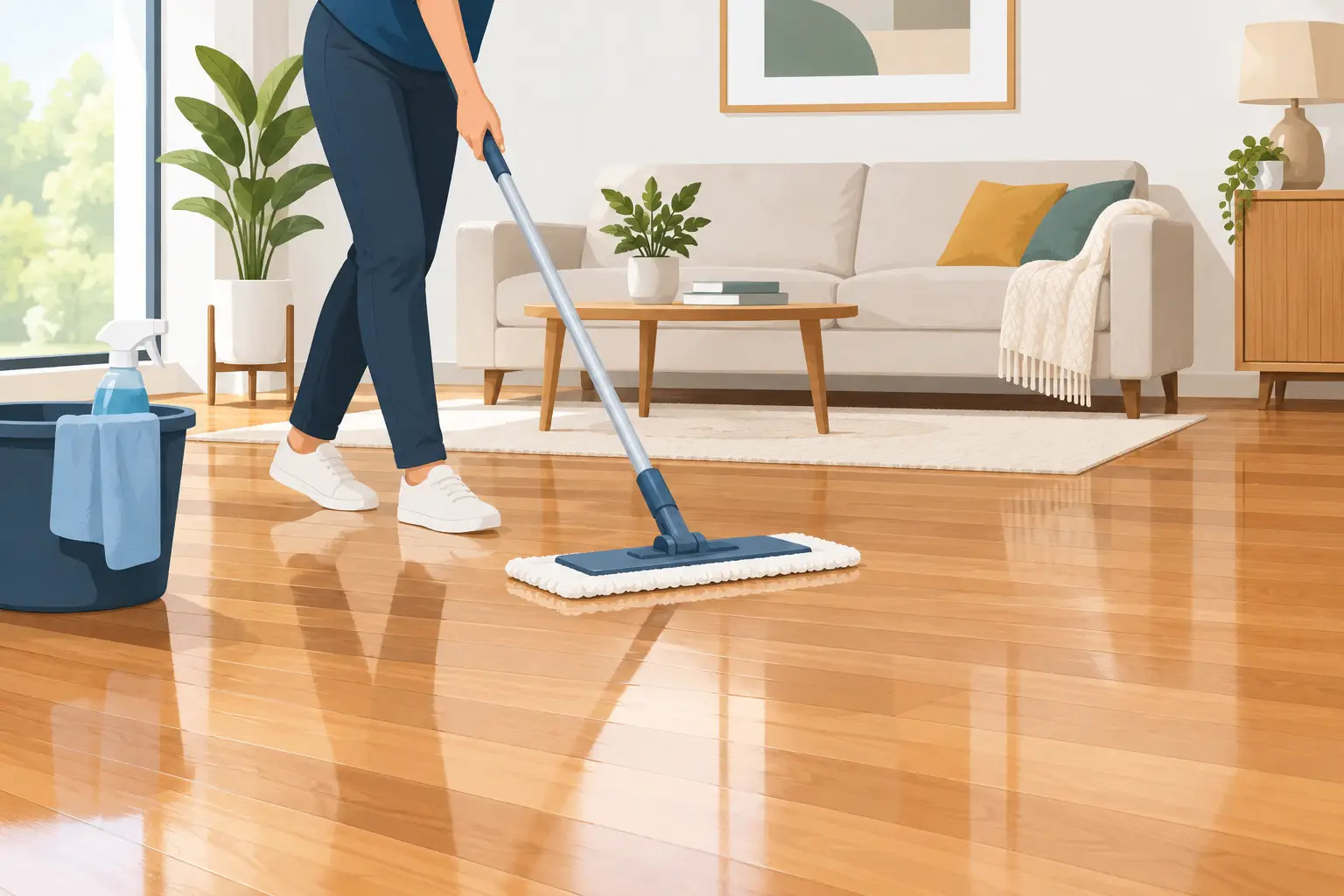
A timber floor can make a home feel warm, clean, and well cared for – until fine scratches, dull traffic paths, and water marks begin to show. Good timber floor care is less about aggressive cleaning and more about preventing grit, controlling moisture, and using the right method for the floor’s finish.
Whether you are maintaining a busy family home, preparing a rental property for new tenants, or looking after floors in a commercial space, consistent care protects both appearance and long-term value. The right routine also makes professional deep cleaning or restoration more effective when it is needed.
Start With the Type of Timber Floor You Have
Not every timber-looking floor should be treated the same way. Solid hardwood flooring can often be sanded and refinished several times during its life. Engineered timber has a real wood surface over layered material, but the top layer may be too thin for repeated sanding. Laminate and vinyl planks may resemble wood, yet they are different surfaces with different cleaning requirements.
Before using a new cleaner, polish, or stain treatment, check the manufacturer’s care instructions if they are available. The finish matters as much as the timber itself. A polyurethane-coated floor, an oiled floor, and a waxed floor each respond differently to moisture and cleaning products.
When the floor type or finish is unclear, take the cautious approach. Use a minimal amount of moisture, avoid abrasive tools, and test any product in an inconspicuous area first. A quick test behind a door or under furniture can prevent a much larger problem in the middle of the room.
Daily Timber Floor Care Prevents Most Damage
The biggest threat to timber floors is often not a dramatic spill. It is the small amount of sand, dirt, grit, and debris tracked in each day. Under shoes, chair legs, and pet paws, those particles act like sandpaper and gradually wear down the finish.
Sweep regularly with a soft-bristle broom or use a vacuum with a hard-floor setting and a clean, non-rotating brush head. A vacuum designed for carpet can scratch a timber floor if its beater bar is left on. In high-traffic areas such as kitchens, hallways, reception spaces, and entrances, daily dry cleaning is often worthwhile.
Place quality mats at exterior doors and ask household members or visitors to remove wet or gritty shoes where practical. This is especially helpful during wet weather, when small stones and moisture are more likely to come inside. Choose mats with a non-staining backing, since some rubber or latex materials can discolor certain floor finishes over time.
Furniture pads are another simple safeguard. Felt pads under chairs, tables, sofas, and movable furniture reduce scuffs caused by everyday movement. Check and replace them periodically because pads collect grit too. For rolling office chairs, use suitable floor protection or soft casters rather than letting wheels repeatedly run over the same section of timber.
Clean With Less Water, Not More
Timber and standing water are a poor combination. Excess moisture can seep between boards, cause swelling, lift edges, damage adhesives, and leave the floor looking uneven. Even a sealed floor should never be soaked.
For routine damp cleaning, use a microfiber mop that has been thoroughly wrung out. It should feel slightly damp rather than wet. Work in small sections and dry any visible moisture promptly with a clean microfiber cloth. This removes everyday residue without allowing water to sit on the surface.
Use a pH-neutral cleaner made for sealed timber floors, following the dilution instructions carefully. More product does not mean a cleaner result. Overuse can leave a sticky film that attracts dirt, makes floors look cloudy, and creates patchy shine.
Avoid steam mops unless the flooring manufacturer specifically says they are safe. High heat and moisture can force vapor into joins and weaken the floor’s protective layers. Also avoid abrasive powders, scouring pads, strong bleach, ammonia-based cleaners, and oily soap products. They can strip the finish, leave a slippery residue, or create a buildup that is difficult to remove evenly.
Act Quickly When Spills Happen
Spills do not always cause damage, but delayed cleanup raises the risk. Wipe up water, pet accidents, drinks, cooking oil, and tracked-in mud as soon as possible. Start by blotting with an absorbent cloth rather than rubbing the spill outward.
For sticky residue, use a small amount of timber-safe cleaner on a cloth, not directly on the floor. Wipe gently, then buff dry. If a spill has left a dull spot, cloudy patch, or dark mark, do not keep adding stronger products in an attempt to fix it. The stain may have affected the finish or penetrated the timber, and aggressive treatment can make the repair more noticeable.
Pet owners should pay close attention to accidents near board joins and along baseboards. Moisture can settle into these areas before it is visible. Regular cleaning around feeding stations, water bowls, and exterior doors helps protect the finish where pets spend the most time.
Watch for Problems That Need More Than Cleaning
A timber floor may need professional attention when cleaning no longer restores an even appearance. This is common in entryways, beneath dining tables, around kitchen work areas, and in commercial spaces where foot traffic is constant.
Signs to look for include deep scratches, worn finish, gray or black water marks, cupping boards, gaps that change significantly, peeling coating, or a floor that looks dull again soon after cleaning. These issues can point to moisture exposure, surface wear, product buildup, or damage beneath the protective finish.
A professional floor assessment helps identify the safest next step. Sometimes the solution is a detailed clean and finish refresh. In other cases, localized repair, screen-and-recoat work, or refinishing may be appropriate. The right option depends on the timber species, floor construction, existing finish, extent of wear, and whether there is enough timber surface remaining for sanding.
For engineered floors, this decision is particularly important. Sanding too deeply can expose the layer beneath the timber veneer, creating a much more expensive repair. A careful approach protects the floor rather than treating every dull surface as a refinishing project.
Timber Floors in Rentals and Commercial Spaces
Rental properties benefit from a clear floor-care routine between tenancies. Dry debris, adhesive residue, furniture marks, and neglected spills can make a property feel less clean even when the rest of the space is well presented. Addressing these details before new tenants move in supports a fresher first impression and can help prevent avoidable complaints.
In offices, retail spaces, restaurants, and other high-traffic environments, floor care should match how the space is used. Entrance areas may need frequent dry cleaning, while dining and break areas require faster spill response. Cleaning schedules should also account for busy periods so that floors are maintained without creating slip hazards or disrupting customers and staff.
Eco Smart Cleaning can support homes and businesses with floor cleaning tailored to the surface condition, traffic level, and hygiene needs of the space. Professional equipment and suitable products can remove embedded soil and surface buildup without relying on harsh treatment that puts a timber finish at risk.
Keep the Finish Looking Its Best
Sunlight naturally changes timber over time. Rugs, furniture, and curtains can create uneven fading, especially in rooms with strong direct light. Rotate rugs and rearrange furniture occasionally to help the floor age more evenly. Window coverings can also reduce intense UV exposure during the brightest part of the day.
Be careful with floor polishes marketed as quick shine solutions. Some leave a temporary gloss but build up in layers, making future cleaning or recoating more difficult. If your floor has lost its sheen, the answer may be professional maintenance rather than another coating applied over dirt and worn finish.
A well-maintained timber floor does not need to look overly glossy to look clean. Its best appearance is usually even, dry, smooth underfoot, and free from visible grit, sticky residue, and avoidable scratches. Give it regular, gentle attention, and it will continue to make the whole space feel fresh and well looked after.


 +64 021 480 489