

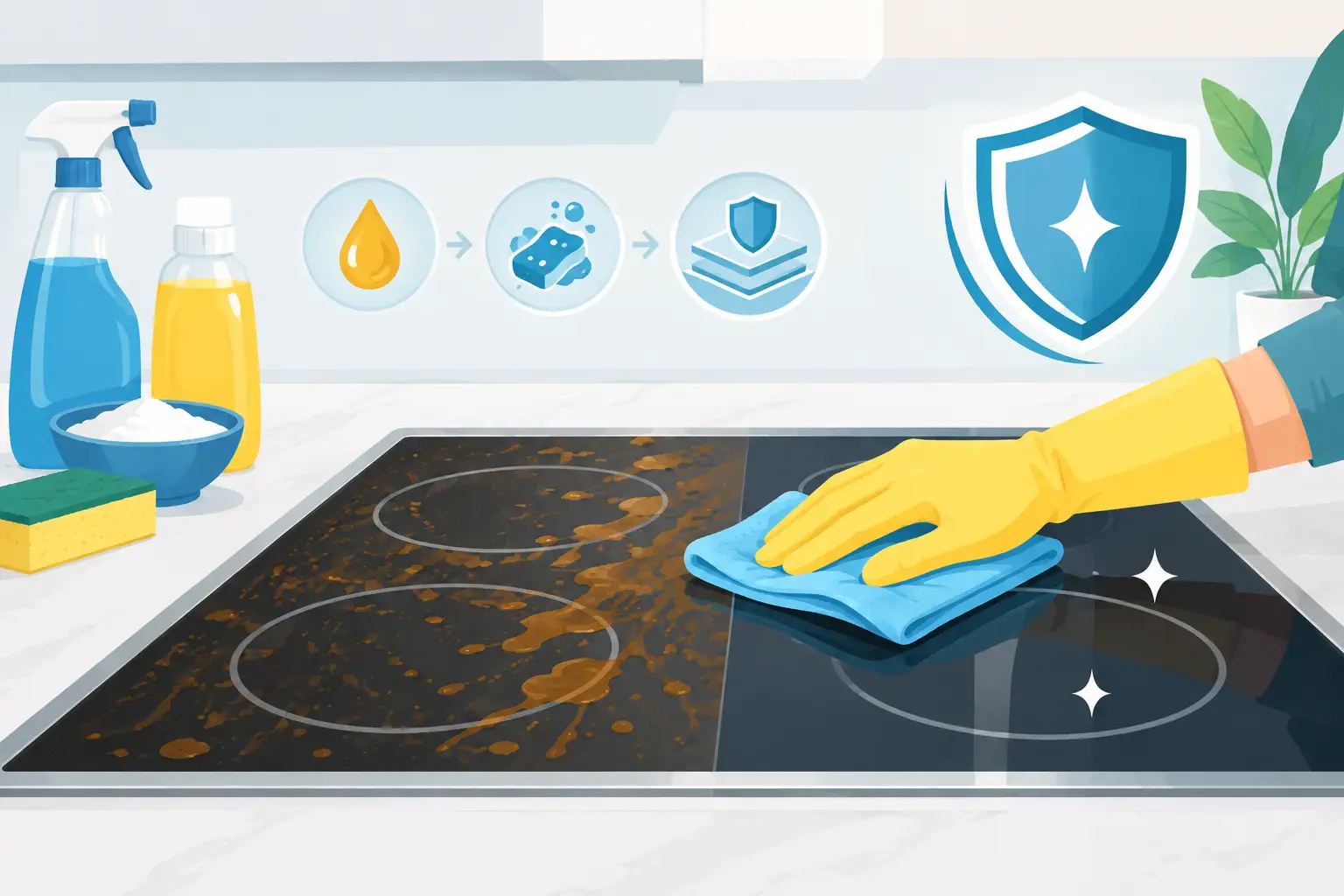
Grease rarely looks serious at first. A faint film above the stovetop, fingerprints around cabinet pulls, or a dull patch on a restaurant floor can seem like routine cleaning. Left in place, though, grease traps dust, holds odors, creates slip risks, and makes surfaces harder to restore. Effective grease removal methods address the type of grease, the surface beneath it, and the level of buildup – not just what is visible.
For homes, that can mean a fresher kitchen and less wear on painted cabinets, tile, and appliances. For commercial kitchens, gyms, schools, and busy workplaces, it also supports hygiene, safe walking surfaces, and a professional first impression.
Start With the Right Grease Removal Method
Grease is an oil-based residue, so plain water alone will usually spread it rather than lift it. The most reliable approach combines a suitable degreaser, enough contact time, gentle agitation, and a clean rinse or wipe-down. The exact method depends on whether the grease is fresh, sticky, baked on, or mixed with food debris and dust.
Fresh splatters on a cooktop or countertop respond well to a warm, damp microfiber cloth and a mild cleaning solution. Microfiber matters because it lifts soil instead of simply moving it around. Wipe in overlapping passes, folding the cloth to a clean section as it becomes soiled.
Heavier buildup needs more patience. Apply the cleaner according to its directions and allow it to sit briefly before wiping or scrubbing. This dwell time gives the product a chance to break down oils. Spraying and immediately wiping is one of the main reasons greasy surfaces stay tacky.
Avoid assuming that a stronger product is always better. Highly alkaline degreasers can be useful on durable commercial surfaces, but they may dull aluminum, damage some painted finishes, or leave residue when not rinsed properly. A surface-safe product used correctly will often produce a better result than an overly aggressive cleaner.
Kitchen Grease: Work From High to Low
Kitchen grease travels farther than most people expect. Steam carries fine oil particles onto range hoods, backsplash grout, cabinet fronts, light fixtures, and nearby walls. Cleaning only the stovetop can leave the room looking clean while an oily film continues to collect dust everywhere else.
Begin with the area above the cooking surface. Remove loose dust from range hood exteriors and vent covers before applying a degreaser. If the filter is removable and manufacturer instructions allow washing, soak it in warm water with an appropriate grease-cutting solution, then rinse fully and dry before reinstalling. A clogged filter reduces ventilation and allows more grease to settle throughout the kitchen.
Move next to the backsplash, cooktop, surrounding counters, and cabinet fronts. For painted cabinets or laminate, use a mild product and a soft cloth. Do not soak seams, handles, or edges where moisture can work into the material. For tile and grout, a soft brush can help lift residue from textured areas, but harsh abrasives should be avoided because they can scratch glaze and make future cleaning more difficult.
Ovens and baking trays require a separate approach. Baked-on grease is often carbonized, meaning it has hardened through repeated heating. It may need a purpose-made oven cleaner or professional attention, particularly where residue is thick or located near heating elements. Scraping with metal tools can permanently scratch enamel, glass, and stainless steel.
Effective Grease Removal Methods for Floors
Grease on floors is more than a presentation issue. It can make smooth vinyl, tile, sealed concrete, and polished surfaces slippery, especially near cooking stations, break rooms, and entry areas exposed to food traffic. Mopping with too much water or an unsuitable product can spread the oil into a wider film and leave a hazardous residue.
First, remove dry debris. Crumbs, grit, and dust can turn into an abrasive paste once cleaning solution is applied. Then use a floor-safe degreaser at the correct dilution. In commercial environments, follow the product instructions carefully and keep the area controlled while the solution works. A scrubber or appropriate floor machine may be necessary for large areas or ingrained buildup.
The final rinse is critical. Any remaining degreaser can leave a sticky feel, attract dirt, or affect the floor finish. Use clean water, change mop water when it becomes cloudy, and allow the floor to dry fully before normal traffic resumes. For restaurants, healthcare settings, and other high-traffic facilities, scheduled floor care is often safer and more cost-effective than waiting for visible buildup.
Wood and unsealed floors need extra care. Standing water, strong degreasers, and heavy scrubbing can damage the finish or drive moisture into the material. Use a product designed for that floor type, apply it sparingly, and dry the area promptly.
Treat Appliances and Stainless Steel With Care
Stainless steel is durable, but it is not immune to streaks, scratches, and chemical damage. Degrease first, then wipe with a clean, damp cloth to remove residue. Finish by drying in the direction of the grain with a fresh microfiber cloth. This simple final step makes appliances, elevator panels, commercial counters, and fixtures look noticeably more polished.
Avoid steel wool and abrasive scouring pads on stainless steel. They can leave fine scratches that collect grime and weaken the clean appearance over time. Chlorine-based products should also be used cautiously and never left sitting on stainless surfaces.
For small appliances, unplug before cleaning and keep liquid away from electrical openings. Exterior grease can usually be removed with a lightly damp cloth and mild degreaser, while internal cleaning should follow the manufacturer’s guidance. This is especially relevant for range hoods, microwaves, air fryers, and commercial equipment with vents or control panels.
Know When Household Solutions Are Not Enough
A mild dish-cleaning solution can handle many everyday kitchen jobs because surfactants help oil mix with water. It is a sensible option for fresh grease on washable surfaces. However, it may not be enough for old residue on ceilings, exhaust areas, commercial floors, or move-out kitchens that have received months of heavy use.
Baking soda can provide gentle abrasion for some durable surfaces, but it is not a universal degreaser. It may leave residue in grout lines, and scrubbing too firmly can mark delicate finishes. Vinegar can help with mineral deposits, but it is not particularly effective against heavy grease and should not be used on natural stone or other acid-sensitive materials.
The best choice depends on the surface and soil. A renter preparing for an inspection may need cabinet tops, oven surrounds, and splashbacks restored without damaging the property. A restaurant operator may need safe grease removal across kitchen floors and equipment exteriors without interrupting service. In either case, matching the method to the task protects the asset as well as the result.
Prevent Grease From Building Up Again
Grease removal becomes much easier when it is part of a regular cleaning routine. Wipe cooktops and nearby counters after cooking, clean hood exteriors routinely, and deal with spills before they are walked through the home or facility. In commercial spaces, clear responsibilities and cleaning frequencies prevent small patches of residue from becoming a larger maintenance job.
Use clean cloths and mop heads. A saturated cloth can redeposit grease on cabinet doors and appliances, while dirty mop water can leave floors looking dull even after they have been cleaned. Color-coded cloth systems can be helpful in larger facilities because they reduce cross-contamination between kitchens, restrooms, work areas, and general surfaces.
Ventilation also makes a difference. Running the range hood while cooking helps capture airborne grease before it settles. In commercial kitchens, maintaining extraction systems and filters supports cleaner surrounding surfaces and a more comfortable work environment.
When Professional Cleaning Is the Practical Choice
Some grease removal jobs need professional equipment, specialist products, or simply more time than a busy household or facility team can spare. This is common after a tenancy, post-renovation work, a long period of neglected cleaning, or heavy commercial use. Professional cleaners can assess surface materials, treat buildup methodically, and reach areas that are easy to overlook, such as high cabinet tops, wall edges, vents, and textured flooring.
Eco Smart Cleaning supports homes and commercial spaces with detailed cleaning programs tailored to the condition of the property and the surfaces involved. The aim is not to mask grease with fragrance or leave a slick finish behind, but to create clean, hygienic spaces that look cared for and are ready for everyday use.
A grease-free surface should feel clean as well as look clean. When cabinets are no longer tacky, floors have secure footing, and kitchen equipment has its natural finish back, regular upkeep becomes simpler – and the whole space feels more welcoming.


 +64 021 480 489